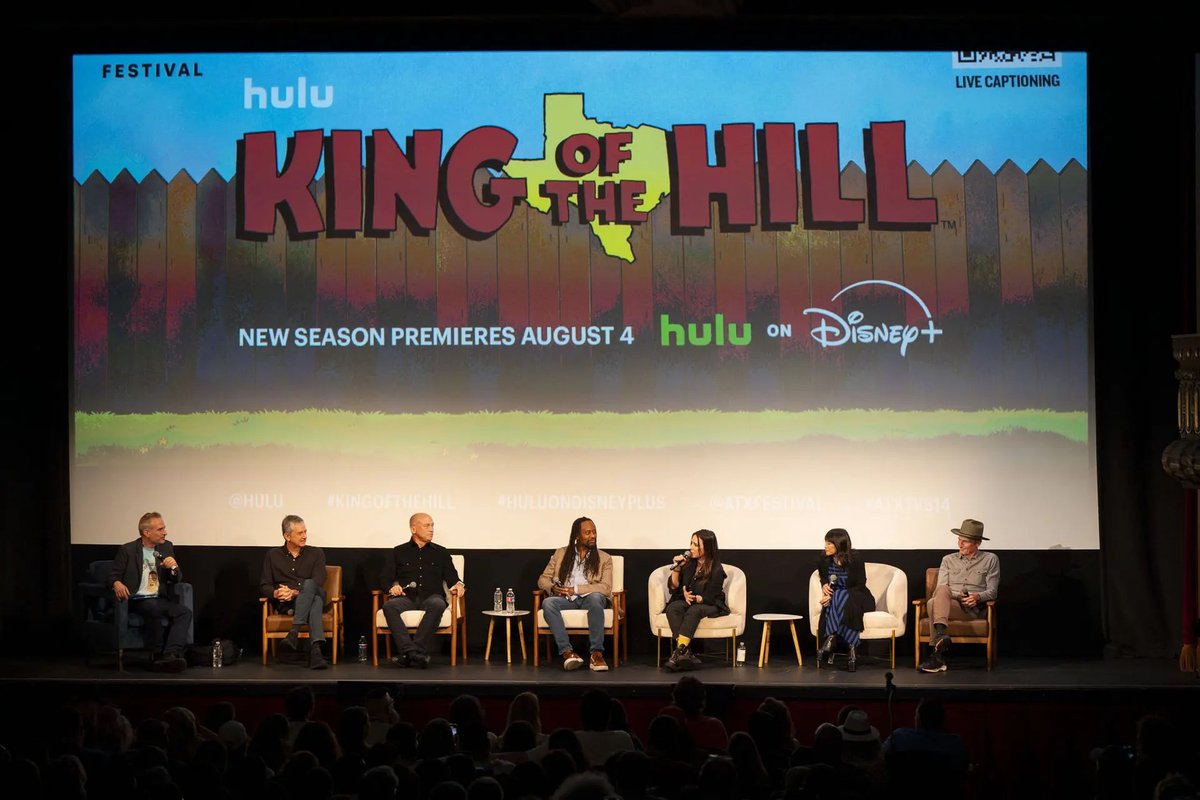
When King of the Hill first flickered onto our screens in 1997, few could have predicted the profound and lasting imprint it would leave on American culture. Now, with the highly anticipated Explore King of the Hill Season 15 revival, the discussion around King of the Hill Season 15 Cultural Impact & Legacy isn't just about revisiting a classic; it's about understanding how a show about a propane salesman and his quirky Texas family continues to resonate, adapt, and even redefine its place in a rapidly evolving world.
This isn't just another rerun. The return of King of the Hill isn't simply a nostalgic trip; it's a testament to the show's uncanny ability to merge humor with genuine social commentary, creating a mirror for the American middle class that remains relevant decades later.
At a Glance: What Makes the King of the Hill Revival So Significant
- Renewed Cultural Conversation: The return reignites discussions about American identity, community, and the struggles of the middle class.
- Character Evolution: Viewers get to see beloved characters like Connie and Bobby navigate new life stages, offering fresh perspectives.
- Seamless Legacy: The show masterfully handles changes like the recasting of Dale Gribble, honoring its past while moving forward.
- Bridging Generations: Accessible on Hulu, it introduces Arlen, Texas, to a new audience while delighting long-time fans.
- Enduring Relevance: Its themes of family, work, and societal change continue to speak to contemporary issues with humor and heart.
The Arlen Revival: Why Now?
For over 13 seasons and 258 episodes, King of the Hill carved out a unique space in the animated television landscape. Created by Mike Judge and Greg Daniels, it introduced us to Hank Hill, his wife Peggy, their son Bobby, and niece Luanne, residents of the fictional Arlen, Texas. Unlike its contemporaries, the show largely eschewed surrealism for a grounded, satirical portrayal of suburban life, exploring the nuances of family dynamics, friendship, and community against the backdrop of an ever-changing America. Its humor often stemmed from the clash between traditional values and modern realities, offering a relatable, often poignant, look at the lives of ordinary people.
The news of a planned revival in late 2023, followed by its eventual release on Hulu, wasn't just exciting for fans; it was a cultural event. In an era saturated with reboots and remakes, the question wasn't if King of the Hill should return, but how it would manage to capture its original magic while evolving for a new generation. The answer, as many have found, lies in its steadfast commitment to its core identity, even as it embraces significant narrative shifts. The announcement itself generated the buzz around its return, highlighting the deep affection fans hold for the series.
Reimagining Arlen: What's New and What Stays True
The biggest challenge for any revival is striking a delicate balance: satisfying the loyal fanbase without simply rehashing old jokes, and attracting new viewers without alienating the old guard. King of the Hill Season 15 tackles this head-on by advancing its characters' lives in meaningful ways while preserving the fundamental heart and humor that made the show legendary.
You'll find that Arlen hasn't undergone a complete makeover, but its residents certainly have. The show’s brilliance has always been in showing rather than telling, in letting its characters stumble and learn. This revival is no different, taking us deeper into the familiar yet evolving lives of the Hills and their neighbors.
Evolving Characters, Evolving World
One of the most talked-about aspects of the revival is the character development. We see characters not just older, but changed by time and experience.
- Connie Souphanousinphone's Journey: No longer the precocious child, Connie's evolution has been particularly noted by fans. She’s grown into a sophisticated young woman, navigating the complexities of career and identity, often in contrast to her Arlen roots. This shift allows the show to explore new themes around ambition, cultural heritage, and breaking free from small-town expectations, all while maintaining her intelligent and thoughtful core.
- Bobby's Path Forward: Bobby Hill was always the lovable, somewhat eccentric son who often baffled his traditional father. In the new season, we see Bobby's evolving career aspirations take center stage. He’s no longer just a kid with a talent for comedy; he’s a young adult trying to find his place in the world, grappling with real-world responsibilities and choices. This allows the show to comment on the challenges faced by Gen Z entering the workforce and finding purpose in a complex economy, often through Bobby's unique, optimistic lens.
- The Unforgettable Dale Gribble: The original voice actor for Dale Gribble, Johnny Hardwick, tragically passed away. The challenge of recasting such an iconic character could have been insurmountable. However, the revival handled it with remarkable sensitivity and skill. A new voice actor took over, and fan reactions overwhelmingly attest to the seamless transition for Dale Gribble's voice. This continuity is crucial, ensuring that Dale's paranoia, conspiracy theories, and unwavering loyalty to his friends remain a beloved, if outlandish, part of the Arlen fabric. It's a testament to the show's commitment to its characters and its respectful approach to the passing of a cherished cast member.
- The Echo of Luanne: While Luanne Platter was a beloved character throughout the original run, her presence in the new season is nuanced, given the real-world passing of Brittany Murphy, her original voice actress. The revival delicately addresses the future of Luanne Platter by acknowledging her absence and its impact on the Hill family, particularly Peggy and Bobby. This approach allows the narrative to move forward respectfully, weaving her memory into the fabric of the story without attempting to replace what was lost. It’s a poignant example of the show’s humanity.
The Enduring Spirit of Hank Hill
At the heart of Arlen, of course, is Hank Hill. His unshakeable belief in propane and propane accessories, his strong work ethic, and his often-bewildered attempts to understand the modern world have always been the show's anchor. The revival maintains this core. While the world around him changes, the everyday struggles of Hank Hill remain remarkably consistent, albeit with new flavors. He still grapples with technology, generational gaps, and the shifting social landscape, providing the perfect comedic foil for the evolving society Arlen finds itself in. His stubborn yet earnest attempts to do "the right thing" continue to drive much of the humor and heart of the series.
The Cultural Compass: Why King of the Hill Still Matters
The cultural impact of King of the Hill goes far beyond simple entertainment. It’s a culturally significant work because it consistently merged humor with social commentary, creating a unique lens through which to view American life. Its return amplifies this legacy.
A Mirror for Middle America
One of the show's most remarkable achievements has always been its authentic portrayal of the American middle class. It depicted characters who were neither caricatures nor aspirational figures, but rather recognizable individuals navigating the complexities of life with dignity, humor, and occasional exasperation. This authenticity fosters a deep connection with viewers, who see reflections of their own families, neighbors, and communities in Arlen.
King of the Hill offers a nuanced look at:
- Economic Realities: The show never shied away from depicting the struggles of small business owners, the anxieties of job security, and the everyday financial concerns that shape middle-class life.
- Community Values: It champions the importance of local businesses, neighborhood bonds, and the unique quirks that define a tight-knit community, even as those values are challenged by globalization and technological advancement.
- Political Commentary (Subtle but Sharp): While never overtly partisan, the show masterfully satirized American political discourse, consumerism, and the culture wars of its time, often through the everyday reactions of its characters. This continues in the revival, adapting its commentary to contemporary issues without losing its distinctive voice.
The Art of Understated Satire
Unlike many animated comedies that rely on rapid-fire jokes and outrageous scenarios, King of the Hill perfected the art of understated satire. Its humor often comes from realistic dialogue, character-driven situations, and the subtle ironies of suburban life. This approach makes its social commentary all the more potent because it feels grounded and real.
For example, Hank's befuddlement with modern technology or Bobby's unconventional interests aren't just punchlines; they're entry points for larger discussions about generational divides, changing societal expectations, and the persistent human need to connect despite differences. The revival continues this tradition, tackling modern anxieties with the same observational wit.
Bridging Generational Divides
The accessibility of King of the Hill on Hulu means a new generation of viewers is discovering Arlen for the first time. This exposure creates a fascinating cultural bridge. Younger audiences are introduced to a vision of "traditional" American life, while long-time fans can re-engage with beloved characters through a contemporary lens.
Social media platforms have become bustling forums for discussion, with fans old and new dissecting episodes, sharing memes, and debating the show's evolving themes. This collective engagement reinforces the series' status as a cultural touchstone, proving its themes of family, community, and everyday life are truly timeless.
Crafting a Legacy: The Enduring Impact
The enduring legacy of King of the Hill is multifaceted. It’s a masterclass in character writing, a benchmark for grounded storytelling in animation, and a cultural artifact that captures the essence of a particular slice of Americana. The revival doesn't just add new chapters; it solidifies this legacy, proving that its characters and themes are robust enough to transcend time.
Beyond the Laughs: A Study in Humanity
What truly sets King of the Hill apart is its deep well of humanity. While it's undoubtedly a comedy, it's also a show that grapples with loss, aspiration, disappointment, and the quiet triumphs of ordinary life. We watch these characters struggle with their identities, their relationships, and their place in the world, and in doing so, we often learn something about ourselves.
The writers consistently prioritized emotional truth over easy jokes, allowing complex emotions to unfold naturally. This commitment to realism, even in an animated format, is a cornerstone of its lasting appeal. The revival continues this tradition, allowing characters to face genuine challenges and grow in authentic ways.
Influence on Pop Culture
King of the Hill's influence can be seen in various aspects of pop culture:
- Character Archetypes: Hank Hill has become an archetype for the well-meaning, traditional American father, influencing countless characters in subsequent shows.
- Narrative Style: Its focus on slice-of-life storytelling and character development has inspired other animated series to explore more grounded narratives.
- Memetic Power: Phrases and scenes from the show have entered the internet's memetic lexicon, proving its continued relevance and quotability.
The revival further entrenches this influence, reminding audiences and creators alike of the power of well-crafted, relatable storytelling. It demonstrates that you don't need outlandish premises to explore profound human truths.
Looking Ahead: The Propane Burns On
The return of King of the Hill isn't just a fleeting moment of nostalgia; it's a significant cultural marker. It asks us to reconsider what "legacy" means for a long-running series and how shows can adapt and evolve without losing their soul. The success of Season 15 on Hulu, sparking renewed fan enthusiasm and discussions, suggests that Arlen, Texas, still has plenty of stories to tell, and plenty of cultural truths to uncover.
As you dive into the new episodes, pay attention not just to the laughs, but to the subtle ways the show continues to hold a mirror up to American society. Observe how it handles the passage of time, the changes in its beloved characters, and the enduring spirit of a community trying to make sense of the world. Because in the end, that's the real magic of King of the Hill: it helps us understand ourselves, one propane tank, one "Bwah!", and one heartfelt moment at a time.